Warning: Trying to access array offset on value of type bool in /home/freef5x5r/public_html/wp-content/themes/Divi/includes/builder/functions.php on line 2592 Freepres Market Hill | tree removal near me Atlanta GA, near me electrician Charleston SC, commercial electrician Atlanta GA, carpet cleaning Pittsburgh, dentists Raleigh NC
Dental implants are a reliable, long-term solution for missing teeth, but the total cost can vary widely from one patient to another. One major factor behind this difference is treatment planning. When dentists take time to plan each step carefully, they can control costs, avoid surprises, and improve outcomes.
How Treatment Planning Affects Overall Cost of Dental Implants
Understanding how treatment planning works helps patients see where their affordable dental implants Pittsburgh PA investment goes and why planning matters so much.
Starting With a Thorough Evaluation
Treatment planning begins with a complete evaluation of your oral health. Dentists assess bone density, gum condition, bite alignment, and overall dental history. This step may include exams and imaging to identify potential challenges early.
Although this evaluation adds an initial cost, it often prevents expensive complications later. By understanding your needs upfront, the dentist can design a plan that avoids unnecessary procedures and reduces long-term expenses.
Identifying the Right Implant Approach
Not every patient needs the same type of implant treatment. Some may require a single implant, while others need multiple implants or full-arch solutions. Treatment planning helps determine the most efficient and effective approach for your situation.
By choosing the right method from the start, dentists can avoid over-treatment. This tailored approach ensures you only pay for what is truly necessary to achieve a stable and functional result.
Addressing Bone and Gum Health Early
Bone and gum health play a major role in implant success. If issues such as bone loss or gum disease exist, they must be addressed before implant placement. Treatment planning identifies these concerns early and integrates solutions into the overall plan.
Handling these issues upfront often reduces the risk of implant failure. While preparatory treatments may add to the initial cost, they help prevent costly revisions or replacements in the future.
Reducing the Risk of Unexpected Procedures
Poor planning can lead to surprises during treatment, such as failed integration or improper implant positioning. These problems often require additional procedures that increase total costs.
With careful planning, dentists anticipate potential risks and design strategies to avoid them. As a result, patients experience fewer delays, fewer complications, and more predictable costs throughout the process.
Optimizing the Timeline of Treatment
Treatment planning also affects how long the implant process takes. A well-organized plan sequences each step efficiently, reducing unnecessary appointments and downtime. This efficiency can lower costs associated with extended treatment timelines.
Additionally, a clear timeline helps patients plan financially. Knowing when procedures will occur allows for better budgeting and coordination with insurance or financing options.
Selecting Materials and Techniques Wisely
Different implant materials and techniques come with different price points. Treatment planning helps dentists select options that balance durability, function, and cost.
Rather than defaulting to the most expensive materials, dentists can choose proven options that meet your needs without inflating costs. This thoughtful selection adds long-term value to your investment.
Supporting Long-Term Implant Success
Successful implants last for many years, and treatment planning plays a key role in longevity. When implants are placed correctly and supported by healthy tissue, maintenance costs remain low over time.
By focusing on long-term success, treatment planning reduces the likelihood of repairs or replacements. This focus makes implants more cost-effective over their lifespan.
Conclusion: How Treatment Planning Affects Overall Cost of Dental Implants
Treatment planning has a direct impact on the total cost of dental implants. From early evaluations and customized approaches to risk reduction and material selection, every planning decision influences both short-term and long-term expenses. By investing in careful planning, patients gain clearer expectations, fewer surprises, and better outcomes. Ultimately, strong treatment planning helps ensure that dental implants deliver lasting value, comfort, and confidence.
Maintaining a clean and safe workplace is more important than ever. With employees spending hours together in close proximity, ensuring a hygienic environment protects everyone’s health and boosts productivity. That’s where commercial cleaning services come in. These professional teams do much more than just tidy up—they play a vital role in workplace health and safety.
Importance of Commercial Cleaning for Workplace Health
One of the primary reasons commercial cleaning is crucial is its role in limiting the spread of germs. Offices and commercial spaces are full of high-touch surfaces like door handles, keyboards, and shared equipment, which can harbor bacteria and viruses.
Professional cleaners use hospital-grade disinfectants and follow strict protocols to sanitize these areas thoroughly. As a result, regular cleaning helps reduce absenteeism caused by colds, flu, and other contagious illnesses, keeping your workforce healthier.
Improving Indoor Air Quality
Poor indoor air quality can contribute to respiratory problems, allergies, and discomfort among employees. Dust, mold, and allergens accumulate over time, especially in HVAC systems, carpets, and upholstery.
Commercial cleaning services address these issues by deep cleaning carpets, air ducts, and ventilation systems. Improved air quality not only supports physical health but also creates a more comfortable and pleasant working environment.
Compliance with Health and Safety Regulations
Many industries are subject to health and safety regulations that require maintaining clean and sanitary workplaces. Commercial cleaning services help businesses stay compliant with these laws, avoiding potential fines or legal issues.
Additionally, a clean workplace demonstrates your company’s commitment to employee well-being, which can enhance your reputation with clients, customers, and potential hires.
Enhancing Workplace Morale and Productivity
A clean and organized workspace positively impacts employee morale and productivity. When the environment feels fresh and inviting, employees tend to be more focused and motivated.
Commercial cleaning services ensure that restrooms, break rooms, and common areas are spotless and well-maintained. This attention to detail fosters a respectful and professional atmosphere that encourages everyone to do their best work.
Preventing Workplace Accidents and Injuries
Beyond germs and allergens, cluttered or dirty workplaces can increase the risk of accidents. Spills, debris, or obstructed walkways might lead to slips, trips, and falls.
Professional cleaning teams help maintain clear, safe spaces by promptly addressing hazards and ensuring floors and surfaces are clean and dry. This proactive approach minimizes the chance of injuries and associated costs or liability claims.
Conclusion: Importance of Commercial Cleaning for Workplace Health
Commercial cleaning services are much more than just a luxury—they’re a necessity for maintaining a healthy, safe, and productive workplace. From preventing illness and improving air quality to complying with regulations and boosting employee morale, these services deliver real, measurable benefits. If you want to protect your team and create a thriving work environment, partnering with a professional cleaning service is one of the smartest decisions you can make.
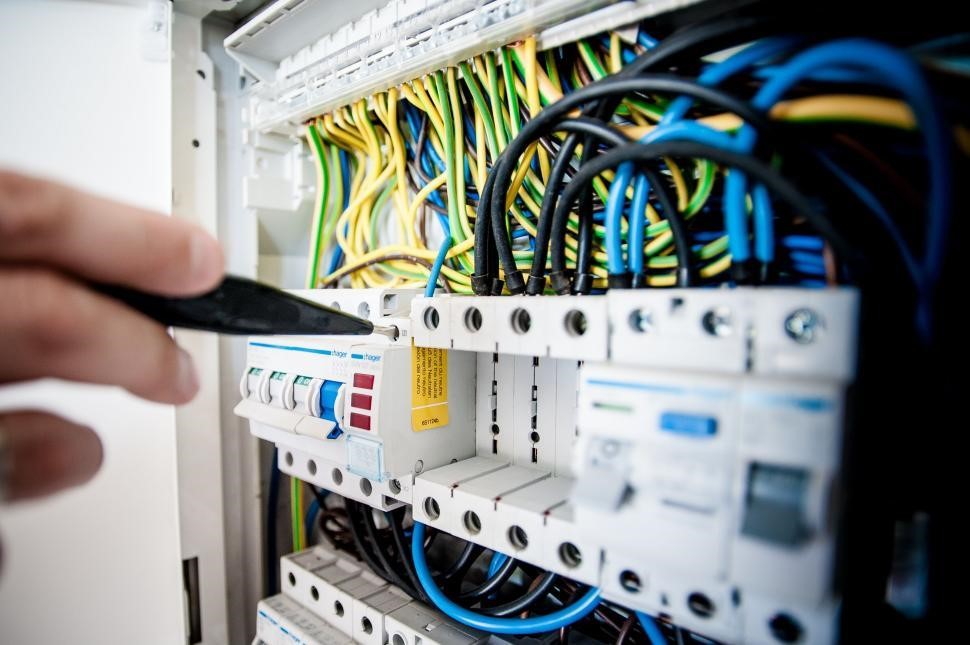
Your home’s electrical system quietly powers your everyday life—from lighting and appliances to your Wi-Fi and entertainment. But when something goes wrong behind the walls, it can quickly turn into a safety hazard. The good news is, most electrical problems give off warning signs before they become serious.
Spotting Electrical Issues before Becoming Dangerous
By learning to recognize these signs early, you can avoid potential fires, shocks, or costly repairs. If you spot one of them, hire an electrician Charleston SC right away!
Flickering or Dimming Lights
One of the most obvious signs of an electrical issue is flickering or dimming lights. If your lights flicker when a major appliance kicks on—like your air conditioner or microwave—it may indicate your system is overloaded or that there’s a problem with the circuit.
This can also point to loose wiring, which is a fire risk. If the flickering happens consistently in one area, it’s best to call a licensed electrician to inspect the affected circuit.
Frequently Tripped Circuit Breakers
Your circuit breaker protects your home by shutting off power when it detects an overload or short circuit. However, if you’re resetting breakers often, that’s not normal. This could signal that:
A specific appliance is drawing too much power
Your panel is outdated and unable to handle your current needs
There’s a fault in the wiring
Instead of repeatedly resetting breakers, have the electrical panel and circuits evaluated by a professional.
Warm or Discolored Outlets and Switches
If you ever touch a light switch or outlet cover and it feels warm—or you notice burn marks or discoloration—it’s a red flag. Heat or burn marks usually mean there’s an arcing problem or that the wiring is damaged or deteriorating.
In some cases, an overloaded circuit or faulty wiring inside the wall is to blame. Turn off the circuit immediately and contact an electrician to assess the situation.
Buzzing Sounds or Burning Odors
Electricity should never make noise. If you hear buzzing, crackling, or humming from outlets, switches, or your breaker box, it could be a sign of loose connections or faulty wiring.
Similarly, the smell of something burning—especially if it resembles melting plastic—could indicate insulation on wiring is overheating. These are both urgent issues that should be addressed immediately to prevent fire hazards.
Outlets That Don’t Work or Feel Loose
An outlet that suddenly stops working could point to a tripped GFCI, a blown fuse, or a deeper wiring issue. On the other hand, if a plug feels loose or falls out easily, the internal contact points in the outlet may be worn down or damaged.
Conclusion: Spotting Electrical Issues before Becoming Dangerous
Electrical problems rarely fix themselves. The longer they go unnoticed, the more dangerous they become. By keeping an eye (and ear) out for warning signs like flickering lights, buzzing sounds, warm outlets, or breaker issues, you can address problems early and keep your home safe. When in doubt, always call a licensed electrician—your safety is worth the peace of mind.
Exposed tooth roots can be a painful and concerning issue for many people. When the protective enamel on your teeth wears away, it can leave the tooth roots vulnerable to damage and decay. If you’re experiencing sensitivity, discomfort, or even visible changes in your gum line, it’s important to understand what causes the roots of your teeth to become exposed.
Causes of Teeth Root Exposure
This article will explore the common causes of exposed tooth roots and offer tips on how to protect your teeth from this issue with the help of dentists Raleigh NC.
1. Gum Recession
The most common cause of exposed tooth roots is gum recession. As we age, our gums naturally shrink, which can gradually expose the roots of the teeth. Gum recession can also occur due to poor oral hygiene, aggressive brushing, or certain lifestyle factors like smoking. When the gums recede, they pull away from the teeth, leaving the root area vulnerable. Exposed roots can lead to increased sensitivity to hot, cold, or sweet foods and drinks, as well as pain when chewing.
Gum recession may be noticeable if your gum line appears to be moving lower on the tooth or if you notice increased sensitivity in certain areas of your teeth.
2. Poor Oral Hygiene
Inadequate oral hygiene is another significant cause of exposed tooth roots. When you don’t brush and floss regularly, plaque and tartar build up along your gum line. Over time, this can cause inflammation in the gums, leading to gum disease, which accelerates gum recession. Gum disease, also known as periodontal disease, can cause the gums to pull away from the teeth and expose the roots.
3. Aggressive Brushing
While brushing your teeth is essential for good oral health, brushing too aggressively can cause significant damage to your gums and enamel. Using a hard-bristled toothbrush or applying excessive pressure when brushing can wear down the gum tissue, causing it to recede over time. This results in the exposure of the tooth roots, which are not protected by enamel and are more susceptible to sensitivity and decay.
4. Teeth Grinding (Bruxism)
Teeth grinding, or bruxism, is another potential cause of exposed tooth roots. When you grind or clench your teeth, whether during the day or while sleeping, the excessive pressure can wear down the enamel, especially near the gum line. Over time, this can expose the root areas of your teeth.
5. Age and Genetics
As we get older, our gums naturally recede and the enamel on our teeth gradually wears down. This is a natural part of the aging process. However, some people may be more genetically predisposed to gum recession and enamel loss than others. If you have a family history of gum disease or tooth sensitivity, you may be at a higher risk for developing exposed tooth roots.
Conclusion: Causes of Teeth Root Exposure
Exposed tooth roots are a common problem that can lead to sensitivity, pain, and discomfort. If you notice symptoms of exposed roots, consult with your dentist to discuss potential treatments such as gum grafting or fluoride applications.
A professional carpet cleaning leaves your floors looking fresh and spotless, but maintaining that clean look takes a little effort. With the right steps, you can keep your carpets in pristine condition for longer.
How to Maintain a Clean Carpet
Let’s dive into some practical tips to maintain your carpet after carpet cleaning Pittsburgh.
1. Wait Before Walking on the Carpet
After a professional cleaning, your carpet may still be damp. It’s best to wait at least 6-8 hours before walking on it to allow it to dry completely. If you absolutely need to use the space, wear clean, soft-soled shoes or socks to avoid transferring dirt. This small step helps protect the freshly cleaned fibers and keeps dirt at bay.
2. Use Mats and Rugs Strategically
Place mats at entrances and rugs in high-traffic areas to minimize the amount of dirt and debris that gets onto your carpet. These additional layers act as the first line of defense, trapping dust and particles before they can embed themselves into the carpet fibers. Be sure to clean these mats and rugs regularly to keep them effective.
3. Vacuum Frequently
Vacuuming isn’t just for removing visible dirt—it also prevents debris from settling deep into the carpet. Aim to vacuum at least once a week, or more often in high-traffic areas. Regular vacuuming keeps your carpet looking fresh and extends its lifespan by preventing buildup that can damage the fibers over time.
4. Address Spills Immediately
Accidents happen, and when they do, quick action is key. Blot spills immediately with a clean cloth, avoiding harsh scrubbing that can push the stain deeper. Use a mild cleaning solution or a carpet-friendly stain remover to tackle the spill effectively. Keeping a few cleaning supplies handy makes it easier to act fast.
5. Rearrange Furniture Periodically
Heavy furniture can leave permanent dents in your carpet. To prevent this, rearrange your furniture occasionally or use furniture coasters to distribute the weight more evenly. This not only protects your carpet but also gives your room a fresh new look!
6. Keep Up with Regular Professional Cleanings
Even with diligent maintenance, carpets need professional attention every 12-18 months. Deep cleaning removes stubborn dirt, allergens, and bacteria that regular vacuuming can’t reach. Staying on top of professional cleanings ensures your carpet remains fresh, clean, and free from long-term damage.
Conclusion: How to Maintain a Clean Carpet
Maintaining your carpet after a professional cleaning doesn’t have to be overwhelming. By taking a few simple steps like waiting for it to dry, using mats, vacuuming often, and addressing spills immediately, you can keep your carpet looking its best. Regular care not only enhances the appearance of your home but also extends the life of your carpet. So, follow these tips and enjoy that fresh, clean feeling for months to come!
Hiring a commercial electrician can be a significant investment for any business. Whether you’re upgrading your electrical system, handling repairs, or managing a new installation, there are ways to save money while still ensuring quality work.
Saving Money when Hiring a Commercial Electrician
Here’s a friendly guide to help you navigate the process of hiring a commercial electrician Atlanta GA and get the most value for your investment.
Get Multiple Quotes
One of the best ways to save money is to obtain quotes from several electricians before deciding. Reach out to at least three different contractors to compare their prices and services. Be sure to provide them with the same detailed information about your project so that the quotes are accurate and comparable. This process not only helps you find the most competitive price but also gives you a sense of the range of services offered and the quality you can expect.
Clearly Define the Scope of Work
To avoid unexpected costs, it’s crucial to clearly define the scope of work before hiring a commercial electrician. Outline exactly what needs to be done, including any specific requirements or preferences you have. Providing detailed information helps electricians give you more accurate estimates and reduces the chance of surprise charges later on. Make sure to discuss and agree on all aspects of the project, including materials, labor, and any potential additional costs.
Check for Certifications and Insurance
Hiring a qualified and certified electrician can save you money in the long run by avoiding costly mistakes and ensuring that the work is done correctly. Verify that the electrician you choose holds the necessary licenses and certifications for your area. Additionally, make sure they have adequate insurance coverage. Proper insurance protects you from potential liabilities, such as damage to property or accidents on the job. Investing in a reputable electrician with the right credentials can prevent expensive repairs and legal issues down the line.
Consider Off-Peak Scheduling
Timing can impact the cost of hiring a commercial electrician. Many electricians have peak times during which they charge higher rates due to increased demand. If your project is flexible, consider scheduling work during off-peak times when rates might be lower. This can be particularly beneficial for larger projects or those that aren’t urgent. Additionally, planning ahead and booking well in advance can help you secure a more favorable rate and avoid any last-minute rush charges.
Negotiate and Review the Contract
Don’t be afraid to negotiate the price and terms of the contract with your chosen electrician. While it’s important to get a fair price, you should also ensure that the contract is clear and comprehensive. Review the contract carefully to confirm that all aspects of the project are covered, including payment terms, timelines, and warranties. A well-defined contract helps prevent misunderstandings and additional costs, and it ensures that both parties are on the same page regarding expectations and responsibilities.
Conclusion: Saving Money when Hiring a Commercial Electrician
Saving money when hiring a commercial electrician involves careful planning and smart decision-making. Taking these steps will help you manage costs effectively while ensuring that your electrical project is completed safely and to a high standard. With the right approach, you can achieve your electrical goals without breaking the bank.
Electrical wiring is the backbone of your home’s electrical system. Over time, wear and tear, outdated technology, and safety concerns can prompt the need for rewiring. Identifying the signs that your home needs rewiring can prevent potential hazards and ensure your home’s electrical system remains safe and efficient.
Signs Your House Needs Rewiring
Here’s a friendly guide to help you spot the warning signs that your home might need rewiring. If you need help, search “near me electrician Charleston SC” on Google.
Frequent Circuit Breaker Trips
One common indicator that your home’s wiring might need attention is frequent circuit breaker trips. If you notice that your circuit breakers are constantly tripping or fuses are blowing often, it could mean that your electrical system is overloaded or that there’s an underlying issue with the wiring. Frequent trips can be caused by faulty wiring, an overloaded circuit, or even damaged electrical components. If this happens regularly, it’s a good idea to have a professional electrician assess the situation to determine whether rewiring is necessary.
Flickering or Dimming Lights
Lights that flicker or dim unexpectedly can be more than just an annoyance—they might signal a problem with your home’s wiring. While flickering lights can sometimes be due to loose bulbs or a problem with the light fixture, persistent flickering or dimming may indicate faulty wiring or an overloaded circuit. In older homes, outdated wiring or connections might not be able to handle modern electrical demands, which can lead to such issues. If you experience this problem frequently, consider having an electrician inspect your wiring.
Outdated or Unsafe Electrical Panels
If your home still has an old electrical panel or fuse box, it might be time for an upgrade. Modern homes require electrical panels that meet current safety standards and can handle the electrical load of today’s appliances and electronics. Outdated panels, such as those from the 1960s or earlier, may not provide adequate safety features and could pose a fire risk. Additionally, if you have a panel with visible signs of wear, such as scorch marks or rust, it’s crucial to address these issues promptly. An electrician can evaluate whether a panel upgrade or rewiring is needed.
Warm or Discolored Outlets and Switches
Check your electrical outlets and switches for signs of damage. If you notice that outlets or switches are warm to the touch, discolored, or show signs of burning or charring, this could be a sign of faulty wiring or poor connections. Electrical outlets should never feel warm or discolored, as this can indicate a potential fire hazard.
Strange Odors or Sparks
Unusual odors or sparks coming from electrical outlets, switches, or appliances are serious warning signs. A burning smell or acrid odor can indicate overheating wires or electrical components, while sparks can be a sign of short circuits or faulty wiring. Both situations are potential fire hazards and should be addressed immediately.
Conclusion: Signs Your House Needs Rewiring
Recognizing the warning signs that your home needs rewiring is essential for maintaining electrical safety and efficiency. Regular inspections and maintenance can help you avoid costly repairs and keep your home’s electrical system running smoothly.
Removing a tree from your property can be a significant task, whether it’s due to its health, safety concerns, or landscaping plans. Proper preparation is crucial to ensure the process goes smoothly and safely.
How to Prepare for a Tree Removal
Here are key steps to consider before taking down a tree. If you’re a busy homeowner who can’t do these things, search “tree removal near me Atlanta GA” on Google for help.
Assess the Tree and Its Surroundings
Start by evaluating the tree and its environment. Consider the tree’s size, height, and condition, as these factors will influence the removal process. Look for signs of disease or decay, which could affect how the tree should be taken down. Additionally, assess the surrounding area for potential obstacles like buildings, power lines, or other structures. Ensuring there’s enough space for the tree to fall or for removal equipment to operate safely is vital for a successful operation.
Check Local Regulations and Permits
Tree removal is often regulated by local laws and ordinances. Check with your local government or homeowners’ association to determine if you need a permit before removing the tree. Compliance with these regulations is essential to avoid fines or legal issues. Additionally, understanding any restrictions or guidelines can help you plan the removal process more effectively.
Gather the Right Equipment
The tools you’ll need depend on the size of the tree and your experience level. For smaller trees, a chainsaw, pruning saw, and basic safety gear might suffice. Larger trees, however, may require more specialized equipment like a stump grinder, ladder, or rigging gear. Ensure you have all the necessary tools and equipment before starting. If the tree is particularly large or complex, hiring a professional tree removal service might be the best option for safety and efficiency.
Prepare the Area for Removal
Clearing the area around the tree is crucial for safety. Remove any obstacles such as garden furniture, vehicles, or delicate plants that might be in the way. Create a safe zone where the tree will fall, ensuring that no one enters this area during the removal process. If you’re using heavy equipment, make sure the ground is stable and free of hazards. Additionally, plan how you’ll handle the tree’s parts after removal—whether you’ll use them for firewood, mulch, or arrange for their disposal.
Safety First: Gear Up and Plan Ahead
Prioritize safety throughout the removal process. Wear appropriate safety gear, including a helmet, safety goggles, gloves, and sturdy boots. Familiarize yourself with the operation of any power tools you’ll be using and follow all safety procedures. Have a clear plan for how you’ll approach the removal, including how you’ll manage the tree’s fall and address potential hazards. Keeping a first aid kit handy is also a good precaution.
Conclusion: How to Prepare for a Tree Removal
Preparing for tree removal involves several important steps, from assessing the tree and its surroundings to ensuring safety and compliance with regulations. Whether you handle the removal yourself or enlist professional help, taking these preparatory steps will help you achieve a successful outcome and move forward with your landscaping or property plans.